
Pneumonia During Monsoon is a serious respiratory infection that becomes more common during the rainy season. Increased humidity, fluctuating temperatures, and a rise in bacterial and viral infections create conditions that can affect lung health. While anyone can develop pneumonia, young children, older adults, and people with weakened immune systems are at greater risk. Recognizing the early symptoms and seeking timely medical care can help prevent complications and support a faster recovery.
What Is Pneumonia During Monsoon?
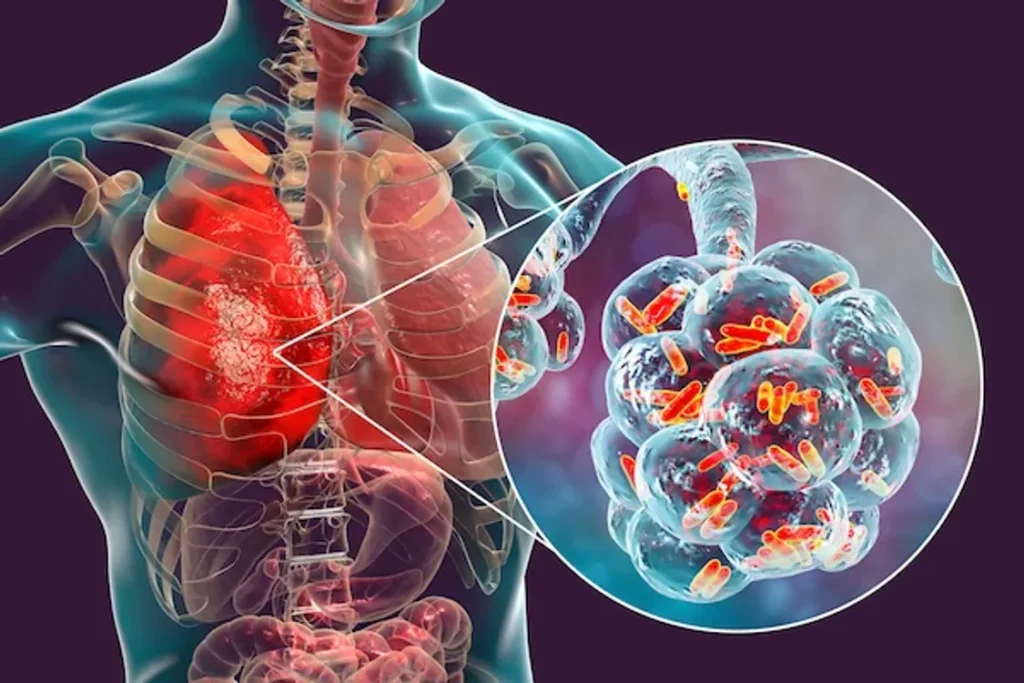
Pneumonia During Monsoon is an infection that causes inflammation of the air sacs in one or both lungs. These air sacs may fill with fluid or pus, making it difficult to breathe and reducing the amount of oxygen reaching the body.
The rainy season creates an environment where respiratory infections spread more easily. Viral infections, bacterial infections, and weakened immunity during this period can increase the likelihood of developing pneumonia.
Why Does Pneumonia Become More Common During the Rainy Season?
The monsoon season brings high humidity and frequent weather changes that allow viruses and bacteria to spread more easily. People also tend to spend more time indoors, increasing close contact and the risk of respiratory infections.
Poor ventilation, damp surroundings, and exposure to seasonal illnesses can further increase the chances of developing Pneumonia During Monsoon.
Early Symptoms of Pneumonia During Monsoon
The symptoms of Pneumonia During Monsoon may begin gradually or appear suddenly depending on the cause of the infection. Common early symptoms include persistent cough, fever, chills, difficulty breathing, chest pain while breathing or coughing, fatigue, and excessive sweating. Some people may also experience loss of appetite, body aches, or increased mucus production.
Older adults may develop confusion or unusual tiredness instead of the typical symptoms, making early medical evaluation especially important.
Who Is at Higher Risk?
Although pneumonia can affect anyone, certain individuals have a greater risk of developing severe illness. Older adults, young children, people with asthma, chronic obstructive pulmonary disease (COPD), diabetes, heart disease, or weakened immune systems should take extra precautions during the rainy season.
Individuals who smoke or have existing lung diseases are also more vulnerable to respiratory infections.
How Pneumonia Affects the Lungs
Pneumonia causes inflammation inside the lungs, making it harder for oxygen to pass into the bloodstream. As the infection progresses, fluid may accumulate inside the air sacs, leading to increased breathing difficulty and reduced oxygen levels.
Without timely treatment, Pneumonia During Monsoon can interfere with normal lung function and increase the risk of serious health complications.
How Is Pneumonia Diagnosed?
Doctors evaluate symptoms, listen to the lungs using a stethoscope, and review the patient’s medical history. Depending on the clinical condition, additional investigations such as chest imaging, blood tests, or sputum analysis may be recommended to confirm the diagnosis and identify the underlying cause.
Early diagnosis allows treatment to begin promptly and helps improve recovery.
Treatment for Pneumonia During Monsoon
Treatment depends on the severity and cause of the infection. Mild cases may recover with appropriate medical care, adequate rest, proper hydration, and prescribed medications. More severe infections may require hospitalization, oxygen therapy, or advanced respiratory support.
It is important to complete the full course of treatment recommended by your healthcare provider and avoid self-medication, as untreated pneumonia can lead to serious complications.
Tips to Prevent Pneumonia During Monsoon
Maintaining good hygiene and supporting your immune system can reduce the risk of respiratory infections. Wash your hands regularly, avoid close contact with people who are sick, and cover your mouth and nose while coughing or sneezing.
Keep your home clean and well-ventilated, avoid prolonged exposure to damp environments, eat a balanced diet, stay hydrated, and get adequate sleep. Individuals with chronic lung diseases should continue their prescribed medications and attend regular medical checkups.
When Should You See a Chest Specialist?
Seek immediate medical attention if you experience persistent high fever, worsening cough, difficulty breathing, chest pain, bluish lips or fingertips, confusion, or symptoms that do not improve after a few days. Early consultation with a chest specialist can help prevent complications and improve treatment outcomes.
Prompt medical evaluation is especially important for older adults, children, and people with chronic respiratory conditions.
Conclusion
Pneumonia During Monsoon is a potentially serious lung infection that requires early recognition and timely treatment. The rainy season increases the risk of respiratory infections because of higher humidity and greater exposure to bacteria and viruses. Recognizing early symptoms, following preventive measures, and seeking prompt medical care can help protect lung health and reduce the risk of complications. Taking care of your respiratory health during the monsoon is an important step toward staying healthy throughout the season.