
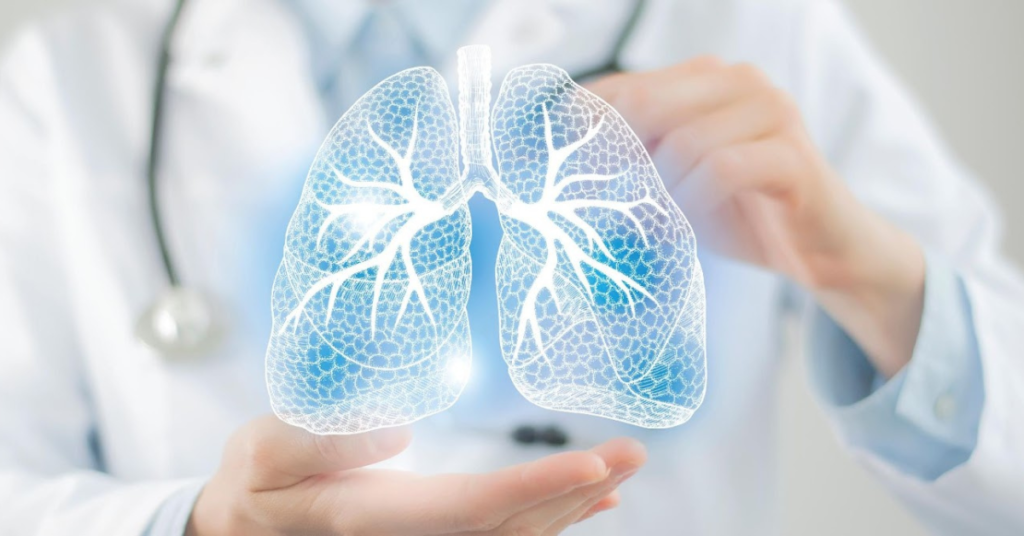
Monsoon Allergies become increasingly common during the rainy season due to higher humidity, mold growth, dust mites, and airborne allergens. While many people associate allergies with sneezing and a runny nose, they can also affect the lungs and lead to breathing difficulties. People with asthma, chronic respiratory conditions, or sensitive airways are particularly vulnerable during the monsoon. Understanding the causes, symptoms, and preventive measures can help you protect your lung health throughout the season.
What Are Monsoon Allergies?
Monsoon Allergies occur when the body’s immune system reacts to allergens that become more prevalent during the rainy season. Increased moisture encourages the growth of mold, mildew, and dust mites, while changes in weather can also increase exposure to pollen and other airborne particles.
When these allergens are inhaled, they can irritate the respiratory tract and trigger allergic reactions. Although allergies are not contagious, they can significantly affect daily activities and overall quality of life if left unmanaged.
Why Monsoon Allergies Affect Your Lungs
Your lungs and airways are constantly exposed to the air you breathe. During the monsoon, the concentration of allergens often increases, causing inflammation in the airways when inhaled. This inflammation can narrow the breathing passages, making it harder for air to move freely.
Individuals with asthma, allergic rhinitis, chronic bronchitis, or other respiratory conditions may notice worsening symptoms during this season. Even healthy individuals can experience temporary breathing discomfort when exposed to high levels of allergens.
Common Symptoms of Monsoon Allergies
The symptoms of Monsoon Allergies may vary from person to person depending on the type of allergen and the body’s immune response. Common symptoms include frequent sneezing, a blocked or runny nose, itchy eyes, itchy throat, persistent coughing, wheezing, chest tightness, shortness of breath, watery eyes, and general fatigue. Some people may also experience disturbed sleep because of continuous nasal congestion or coughing.
If these symptoms continue for several days or repeatedly occur during the rainy season, they should not be ignored.
Who Is More Likely to Develop Monsoon Allergies?
Anyone can develop Monsoon Allergies, but certain individuals are more susceptible. People living with asthma, chronic obstructive pulmonary disease (COPD), allergic rhinitis, or other respiratory illnesses often experience more severe symptoms. Children and older adults may also be more sensitive because of developing or weakened immune systems. Individuals who work in damp environments or have frequent exposure to dust and mold may have an increased risk as well.
The Connection Between Monsoon Allergies and Asthma
For people with asthma, Monsoon Allergies can become a major trigger for asthma attacks. Allergens cause the airways to swell and produce excess mucus, making breathing more difficult. This may result in persistent coughing, wheezing, breathlessness, or chest tightness.
Proper medical management and avoiding allergy triggers can help reduce asthma flare-ups during the rainy season.
How to Protect Your Lungs During the Monsoon
Protecting your lungs begins with reducing exposure to common allergens. Keep your home clean, dry, and well-ventilated to prevent the growth of mold and mildew. Wash curtains, bedding, and upholstery regularly to minimize dust mites. Avoid spending long periods in damp environments whenever possible.
If you need to clean dusty or moldy areas, wearing a protective mask can help reduce inhalation of allergens. Drinking enough water and maintaining a balanced diet also support overall respiratory health. Individuals with asthma or chronic lung diseases should continue taking prescribed medications and attend regular medical follow-ups.
When Should You Visit a Chest Specialist?
Mild allergy symptoms often improve with simple preventive measures. However, persistent coughing, wheezing, difficulty breathing, chest tightness, or repeated asthma attacks require prompt medical evaluation. Delaying treatment may increase the risk of complications and affect your daily activities.
If breathing problems become more frequent during the rainy season, consulting a chest specialist can help identify the underlying cause and provide appropriate treatment.
Preventing Monsoon Allergies
Preventing Monsoon Allergies involves maintaining good indoor hygiene and limiting exposure to allergens. Keeping your surroundings dry, repairing water leaks promptly, and ensuring proper ventilation can significantly reduce mold growth. Regular cleaning helps remove dust mites and other allergy-causing particles from your living environment.
Maintaining a healthy lifestyle, getting adequate sleep, and managing existing respiratory conditions also contribute to better protection during the monsoon season.
Conclusion
Monsoon Allergies can affect much more than your nose and eyes they can also have a significant impact on lung health. Increased humidity, mold, dust mites, and seasonal allergens can trigger coughing, wheezing, and breathing difficulties, particularly in individuals with asthma or chronic respiratory diseases. Recognizing symptoms early, taking preventive measures, and seeking timely medical care can help you breathe easier and stay healthy throughout the rainy season.