
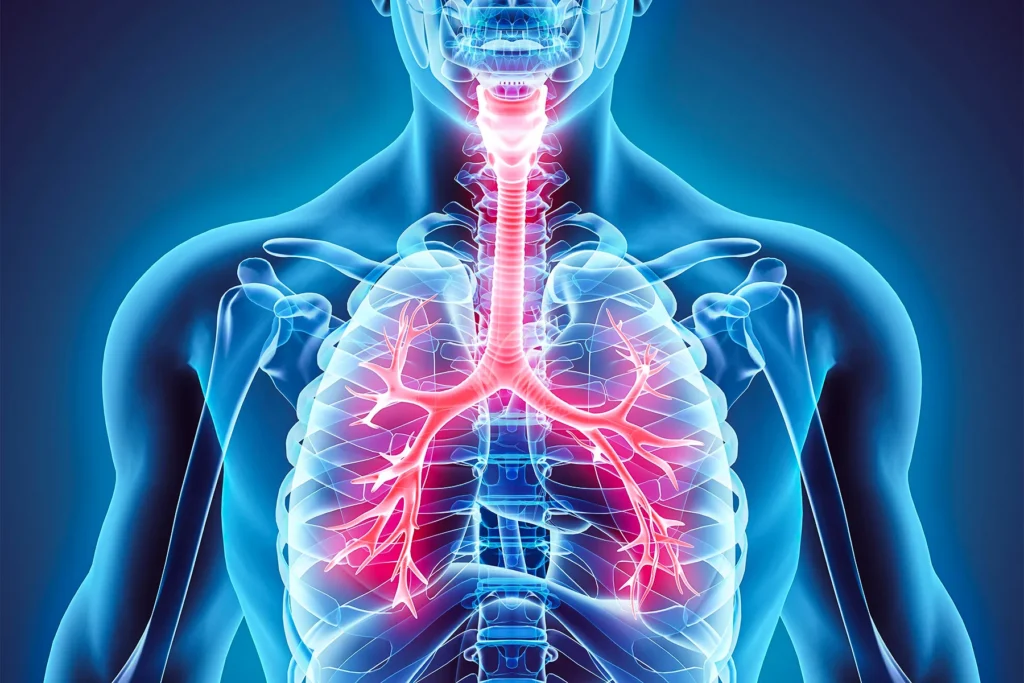
Bronchitis During the Rainy Season is a common respiratory condition that affects many people during the monsoon. Increased humidity, sudden temperature changes, and the spread of viral infections can irritate the airways and increase the risk of bronchitis. Although mild cases often improve with proper care, untreated bronchitis can lead to prolonged respiratory problems, especially in older adults, children, smokers, and individuals with existing lung diseases. Recognizing the symptoms early and seeking timely medical attention can help promote faster recovery and prevent complications.
What Is Bronchitis During the Rainy Season?
Bronchitis During the Rainy Season refers to inflammation of the bronchial tubes, which carry air to and from the lungs. When these airways become inflamed, they produce excess mucus, making breathing more difficult and causing persistent coughing.
The rainy season creates favorable conditions for viral infections and exposure to allergens, both of which can contribute to the development of bronchitis.
Why Does Bronchitis Become More Common During Monsoon?
High humidity and fluctuating temperatures during the monsoon can weaken the body’s natural defense against respiratory infections. Viruses that cause the common cold and flu spread more easily during this period, increasing the likelihood of bronchitis.
In addition, damp environments encourage the growth of mold and other allergens that may irritate the airways and worsen respiratory symptoms.
Early Symptoms of Bronchitis During the Rainy Season
The symptoms of Bronchitis During the Rainy Season often begin with a persistent cough that may produce clear, white, yellow, or green mucus. Many individuals also experience chest discomfort, wheezing, shortness of breath, sore throat, fatigue, and a mild fever.
Some people may initially mistake bronchitis for a common cold. However, if the cough continues for several weeks or breathing becomes difficult, medical evaluation is important.
Who Is at Higher Risk?
Anyone can develop bronchitis, but certain individuals are more vulnerable during the rainy season. Older adults, young children, smokers, and people with asthma, chronic obstructive pulmonary disease (COPD), diabetes, or weakened immune systems have a greater risk of severe illness.
People who work in dusty or damp environments may also experience increased irritation of the airways.
How Bronchitis Affects the Lungs
Bronchitis causes inflammation and swelling of the bronchial tubes, reducing the smooth flow of air into the lungs. Excess mucus further narrows the airways, leading to coughing, wheezing, and breathing difficulty.
If left untreated, repeated inflammation may affect lung function and increase the risk of secondary respiratory infections.
How Is Bronchitis Diagnosed?
Doctors diagnose bronchitis by evaluating symptoms, listening to the lungs, and reviewing the patient’s medical history. Depending on the severity of symptoms, additional investigations such as chest imaging or lung function tests may be recommended to rule out pneumonia or other respiratory conditions.
Early diagnosis helps ensure appropriate treatment and supports quicker recovery.
Treatment for Bronchitis During the Rainy Season
Treatment depends on the underlying cause and severity of the condition. Most cases improve with adequate rest, proper hydration, and medications prescribed by a healthcare professional to relieve symptoms.
Individuals with chronic lung diseases may require additional treatment to control airway inflammation and improve breathing. It is important to avoid self-medication and complete the treatment plan recommended by your doctor.
Recovery Tips for Better Lung Health
Recovering from Bronchitis During the Rainy Season requires proper rest and healthy lifestyle habits. Drink plenty of fluids to help thin mucus and make it easier to clear from the airways. Eat a balanced diet rich in fruits and vegetables to support your immune system.
Avoid smoking and exposure to secondhand smoke, dust, and strong chemical fumes, as these can worsen airway irritation. Keep your home clean, dry, and well-ventilated to reduce exposure to mold and allergens. Following your doctor’s advice and attending follow-up appointments can also help ensure a smooth recovery.
When Should You See a Chest Specialist?
Consult a chest specialist if your cough lasts longer than three weeks, breathing becomes increasingly difficult, wheezing worsens, or you develop persistent high fever or chest pain. Immediate medical attention is also necessary if you notice bluish lips, confusion, or severe shortness of breath.
Early medical care helps prevent complications and improves overall treatment outcomes.
Conclusion
Bronchitis During the Rainy Season is a common respiratory illness that can significantly affect lung health if ignored. The combination of viral infections, humidity, and seasonal allergens increases the risk of airway inflammation during the monsoon. Recognizing symptoms early, following preventive measures, and seeking timely medical care can help support faster recovery and reduce the risk of complications. Maintaining healthy habits throughout the rainy season is essential for protecting your lungs and overall respiratory health.