
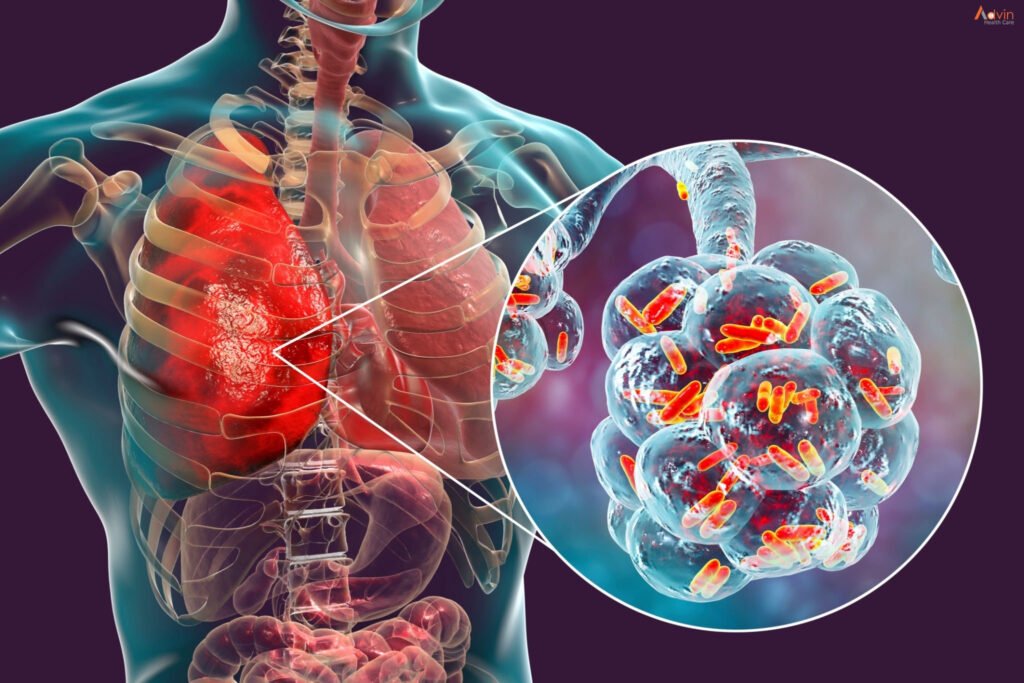
Tuberculosis is a serious infectious disease that mainly affects the lungs but can also impact other parts of the body. It spreads through the air when an infected person coughs or sneezes. Although tuberculosis is treatable, delayed diagnosis and incomplete treatment can lead to severe health complications. Understanding the importance of early detection and proper treatment helps reduce the spread of infection and supports better recovery.
Understanding Tuberculosis
Tuberculosis, commonly known as TB, is caused by bacteria that primarily affect the respiratory system. The infection can gradually damage lung tissue and weaken overall health if left untreated. In some cases, tuberculosis may remain inactive for a long period before symptoms become noticeable.
Common Symptoms
Recognizing tuberculosis symptoms early is important for timely medical care. Persistent cough lasting for several weeks is one of the most common signs. Individuals may also experience chest pain, fever, night sweats, fatigue, weight loss, and breathing discomfort.
Some people may cough up blood or experience weakness as the infection progresses. Symptoms should never be ignored, especially if they continue for a long time.
How Tuberculosis Spreads
Tuberculosis spreads through tiny droplets released into the air when an infected person coughs, sneezes, or talks. People who spend long periods in close contact with infected individuals are at greater risk of exposure. Crowded living conditions and weakened immunity can increase the chances of infection.
Importance of Early Detection
Early detection plays a major role in controlling tuberculosis and preventing complications. Timely diagnosis allows doctors to begin treatment before the infection causes severe lung damage or spreads to others. Early medical care also improves recovery outcomes and reduces transmission within families and communities.
Diagnosis and Medical Evaluation
Doctors may recommend respiratory examinations, laboratory testing, and imaging studies to confirm tuberculosis infection. Proper medical evaluation helps determine the severity of the condition and guides treatment planning.
Regular follow-ups are important during treatment to monitor progress and ensure effective recovery.
Treatment and Recovery Care
Tuberculosis treatment usually involves long-term medication under medical supervision. Completing the full course of treatment is essential because stopping medications early can lead to complications and drug resistance. Proper nutrition, adequate rest, and maintaining hygiene also support recovery.
Patients should follow medical advice carefully and attend regular check-ups during the treatment period.
Preventive Measures
Preventive care helps reduce the spread of tuberculosis. Maintaining good respiratory hygiene, covering the mouth while coughing, and avoiding close exposure to infected individuals are important preventive steps. In addition, healthy lifestyle habits and strong immunity support better protection against infections.
When to Seek Medical Attention
Medical attention should be sought if a cough persists for several weeks or is associated with chest pain, fever, weight loss, or breathing difficulty. Early consultation with a chest specialist helps ensure timely diagnosis and treatment.
Conclusion
Tuberculosis is a serious but treatable infectious disease when identified early and managed properly. Recognizing symptoms, seeking timely medical care, and completing treatment are essential for protecting lung health and preventing complications. Early detection and awareness play a crucial role in improving recovery and reducing the spread of tuberculosis.