
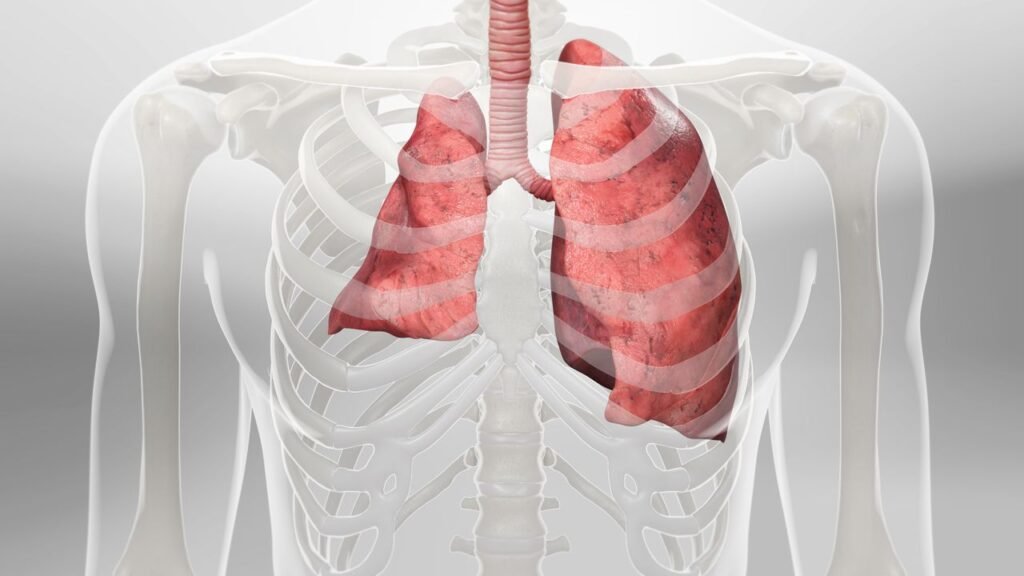
A collapsed lung, medically known as pneumothorax, is a serious condition that occurs when air enters the space between the lung and the chest wall. This trapped air places pressure on the lung, causing it to partially or completely collapse. A collapsed lung can make breathing difficult and may become a medical emergency if not treated promptly. Understanding the symptoms and the importance of emergency treatment can help prevent serious complications.
Understanding a Collapsed Lung
The lungs normally expand and contract freely during breathing. When air leaks into the space surrounding the lung, the pressure can prevent the lung from expanding properly. This condition may affect one or both lungs and can range from mild to life-threatening depending on the severity.
A collapsed lung can occur suddenly and often requires immediate medical evaluation.
Common Symptoms of a Collapsed Lung
Recognizing the symptoms early is essential for seeking timely treatment. The most common symptom is sudden, sharp chest pain that may worsen during breathing or coughing. Shortness of breath is another major warning sign.
Other symptoms may include rapid breathing, rapid heartbeat, fatigue, chest tightness, dizziness, and a bluish tint to the lips or skin in severe cases. Some individuals may experience only mild symptoms, while others may develop significant breathing difficulties.
Causes and Risk Factors
Several factors can contribute to a collapsed lung. Chest injuries from accidents, falls, or sports injuries are common causes. Certain lung diseases such as chronic obstructive pulmonary disease (COPD), asthma, tuberculosis, and lung infections can also increase the risk.
Smoking is a significant risk factor because it can damage lung tissue and make air leaks more likely. In some cases, a collapsed lung may occur without an obvious cause.
Why Emergency Treatment Is Important
Emergency treatment is important because a collapsed lung can reduce oxygen levels and place strain on the heart and respiratory system. If the condition worsens, breathing may become severely impaired.
Prompt medical care helps restore normal lung function and reduces the risk of life-threatening complications.
Diagnosis and Treatment Options
Doctors may diagnose a collapsed lung through physical examination and imaging studies such as chest X-rays or other diagnostic tests. Treatment depends on the size and severity of the collapse.
Small cases may heal with observation and supportive care, while larger collapses may require procedures to remove trapped air and allow the lung to re-expand. Severe cases may need advanced medical intervention.
Recovery and Prevention Tips
Following medical advice during recovery is essential for lung healing. Avoiding smoking, protecting the chest from injury, and attending follow-up appointments help support recovery and reduce the risk of recurrence.
Individuals with chronic lung conditions should manage their health carefully and seek prompt treatment for respiratory symptoms.
When to Seek Immediate Medical Attention
Seek emergency medical care immediately if you experience sudden chest pain, severe shortness of breath, difficulty breathing, dizziness, or symptoms that worsen rapidly. Early intervention can be lifesaving.
Conclusion
A collapsed lung is a serious respiratory condition that requires prompt recognition and emergency treatment. Understanding the symptoms, causes, and treatment options can help ensure timely medical care and better recovery outcomes. Protecting lung health, avoiding smoking, and seeking immediate attention for breathing difficulties are important steps in preventing complications.