
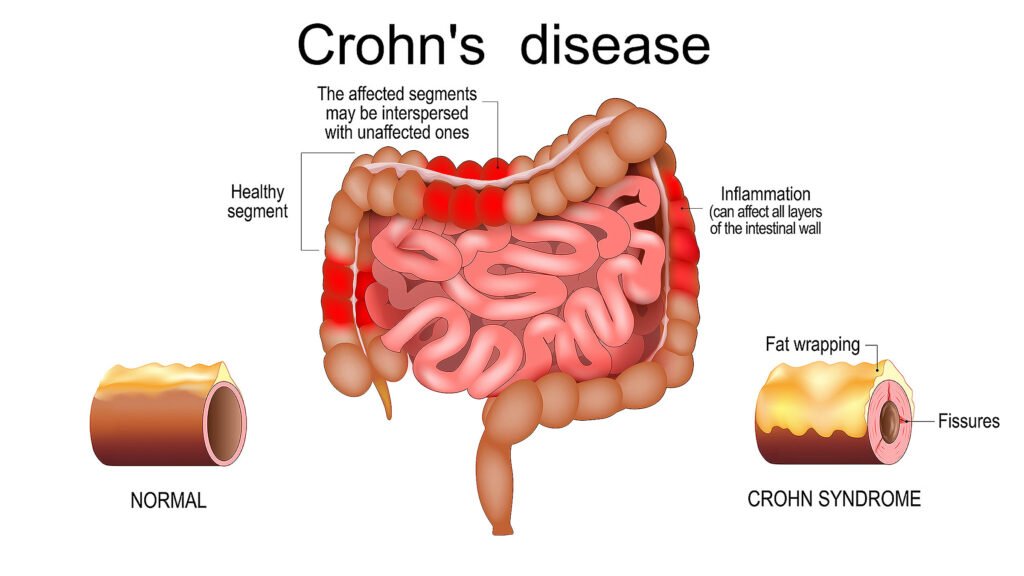
Crohn’s disease is a long-term inflammatory condition that affects the digestive tract. It belongs to a group of disorders known as inflammatory bowel diseases (IBD). The condition can develop in any part of the digestive system, although it most commonly affects the small intestine and the beginning of the large intestine. Early recognition of symptoms and timely medical care can help manage the condition effectively and reduce the risk of complications.
What Is Crohn’s Disease?
Crohn’s disease occurs when the body’s immune system triggers inflammation within the digestive tract. This ongoing inflammation can damage the intestinal lining and interfere with normal digestion. The condition often follows a pattern of flare-ups and periods of improvement, making regular medical monitoring important.
Although Crohn’s disease can affect people of any age, it is often diagnosed in adolescents and young adults.
Early Symptoms to Watch For
The symptoms of Crohn’s disease can vary from person to person. Persistent abdominal pain and cramping are among the most common early signs. Many individuals also experience frequent diarrhea that lasts for several weeks.
Additional symptoms may include fatigue, reduced appetite, bloating, nausea, and unexplained weight loss. Some people notice blood in their stool or experience an urgent need to use the bathroom. Low-grade fever may also occur during periods of active inflammation.
Causes and Risk Factors
Researchers have not yet identified a single cause of Crohn’s disease. However, genetic factors, immune system dysfunction, and environmental influences may contribute to its development.
People with a family history of inflammatory bowel disease face a higher risk of developing the condition. Smoking, chronic stress, and certain lifestyle factors may also increase the likelihood of flare-ups and disease progression.
Why Early Diagnosis Matters
Early diagnosis allows doctors to control inflammation before it causes significant damage to the digestive tract. Without proper treatment, Crohn’s disease can lead to complications such as intestinal narrowing, ulcers, nutritional deficiencies, and abnormal connections between different parts of the intestine.
Timely medical evaluation helps healthcare providers assess the severity of the condition and create an appropriate treatment plan.
Medical Care and Treatment Options
Doctors focus on reducing inflammation, relieving symptoms, and preventing complications when treating Crohn’s disease. Treatment approaches vary depending on the severity of the disease and the areas of the digestive tract involved.
Regular follow-up appointments help doctors monitor progress and make adjustments to treatment when necessary. In more advanced cases, specialized procedures or surgery may be required to address complications and improve digestive function.
Lifestyle Changes That Support Digestive Health
Healthy daily habits can play an important role in managing Crohn’s disease. Eating a balanced diet, drinking adequate fluids, and identifying foods that trigger symptoms may help reduce digestive discomfort.
Regular physical activity can support overall well-being and digestive health. Managing stress through relaxation techniques, exercise, or mindfulness practices may also help reduce symptom flare-ups. Avoiding smoking is especially important because it can worsen the condition and increase complications.
When Should You See a Doctor?
Seek medical attention if you experience ongoing abdominal pain, persistent diarrhea, blood in the stool, unexplained weight loss, or recurring digestive problems. Early medical care can help prevent complications and improve long-term outcomes.
Conclusion
Crohn’s disease is a chronic inflammatory condition that can significantly affect digestive health and quality of life. Recognizing the early symptoms and seeking prompt medical care can help control inflammation and reduce the risk of serious complications. With proper treatment, regular monitoring, and healthy lifestyle choices, many people with Crohn’s disease can successfully manage their symptoms and maintain an active, healthy life