
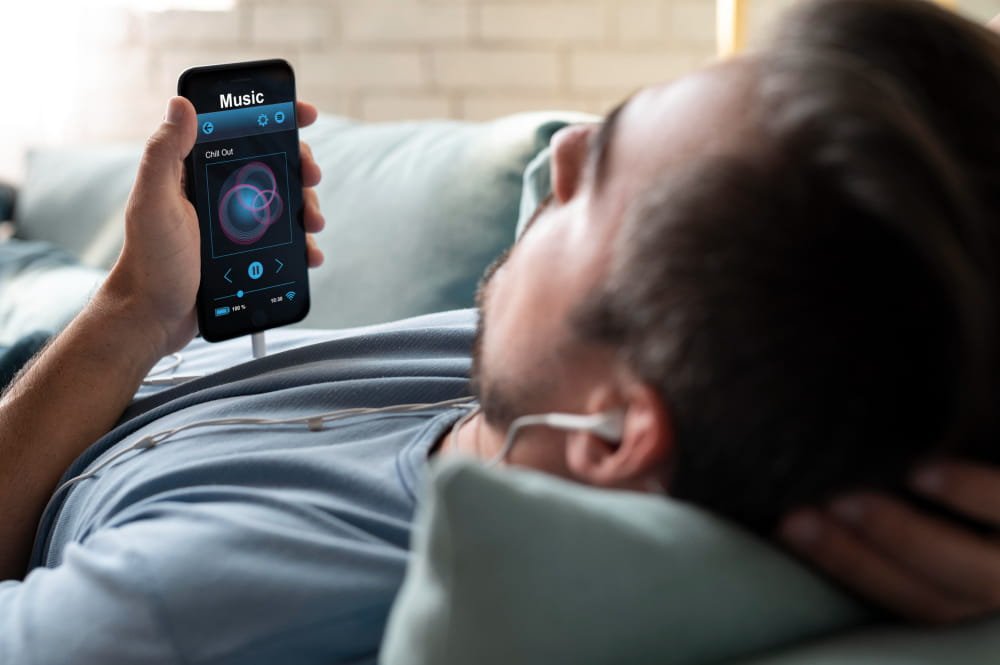
Modern life has become increasingly screen-centered. From office work and online classes to entertainment and social media, people spend hours sitting in front of phones, laptops, and televisions every day.
While most people worry about eye strain or neck pain, very few realize that excessive screen time can also affect breathing and overall lung health.
At RK Gastro & Chest Super Specialty Hospital, we are seeing more young adults experiencing breathing discomfort, chest tightness, fatigue, and poor lung stamina linked to sedentary lifestyles and prolonged screen exposure.
💻 Why Screen Time Is Increasing in 2026
In 2026, digital dependency has become part of daily life:
- Work-from-home culture
- Online entertainment
- Long gaming sessions
- Continuous mobile usage
- Reduced outdoor activity
As physical activity decreases, breathing efficiency also begins to decline.
⚠️ How Screen Time Affects Breathing
🪑 1. Poor Sitting Posture Compresses the Lungs
Most people sit with rounded shoulders and bent necks while using devices.
This posture:
- Compresses the chest
- Reduces lung expansion
- Limits oxygen intake
Over time, shallow breathing becomes a habit.
🌬️ 2. Shallow Breathing During Screen Use
People often unconsciously take shorter and shallower breaths while concentrating on screens.
This may cause:
- Reduced oxygen circulation
- Fatigue
- Headaches
- Stress-related breathing discomfort
⚖️ 3. Lack of Physical Activity Weakens Lung Capacity
A sedentary lifestyle reduces cardiovascular fitness and weakens respiratory muscles.
As a result:
- Climbing stairs feels difficult
- Breathlessness increases during activity
- Lung endurance decreases
😰 4. Increased Stress and Anxiety
Continuous screen exposure, especially social media and work pressure, increases stress levels.
Stress can trigger:
- Rapid breathing
- Chest tightness
- Anxiety-related breathlessness
🌫️ 5. More Indoor Exposure Means Poorer Air Quality
People spending long hours indoors are also exposed to:
- Dust
- Air conditioning pollutants
- Poor ventilation
- Indoor allergens
This can worsen respiratory health over time.
🚨 Warning Signs You Should Not Ignore
If screen time affects breathing, you may notice:
- Shortness of breath
- Chest tightness
- Frequent yawning
- Fatigue during mild activity
- Poor posture-related discomfort
- Reduced stamina
Persistent symptoms should never be ignored.
🧪 How RK Chest Hospital Diagnoses Breathing Issues
At RK Chest Super Specialty Hospital, we evaluate breathing problems using:
- Pulmonary Function Tests (PFT)
- Oxygen level monitoring
- Chest imaging
- Respiratory assessment
- Lifestyle evaluation
Early diagnosis helps prevent long-term respiratory complications.
🛡️ How to Protect Your Lung Health
✅ Take Regular Screen Breaks
Follow the 20-20-20 rule and move regularly.
✅ Improve Sitting Posture
Sit upright and avoid slouching.
✅ Exercise Daily
Walking, cycling, and breathing exercises improve lung capacity.
✅ Practice Deep Breathing
Deep breathing exercises strengthen the lungs and improve oxygen flow.
✅ Reduce Continuous Screen Exposure
Limit unnecessary mobile and laptop use.
✅ Improve Indoor Air Quality
Keep rooms ventilated and clean AC filters regularly.
🫁 Simple Breathing Exercises That Help
🌬️ Deep Belly Breathing
Helps expand lungs fully and improve oxygen intake.
🧘 Pursed Lip Breathing
Useful for reducing breathlessness and calming anxiety.
🚶 Walking with Controlled Breathing
Improves lung stamina gradually.
⚠️ When Should You See a Chest Specialist?
Consult a pulmonologist if you experience:
- Frequent breathlessness
- Persistent chest tightness
- Difficulty breathing during mild activity
- Chronic fatigue
- Ongoing cough or wheezing
Ignoring early symptoms can affect long-term lung health.
✅ Conclusion
Technology has made life easier, but excessive screen time and inactive lifestyles are silently affecting breathing health. Understanding how screen time affects breathing can help you make healthier daily choices before symptoms become serious.
At RK Gastro & Chest Super Specialty Hospital, we help patients identify lifestyle-related breathing issues and guide them toward healthier lungs and better respiratory wellness.