
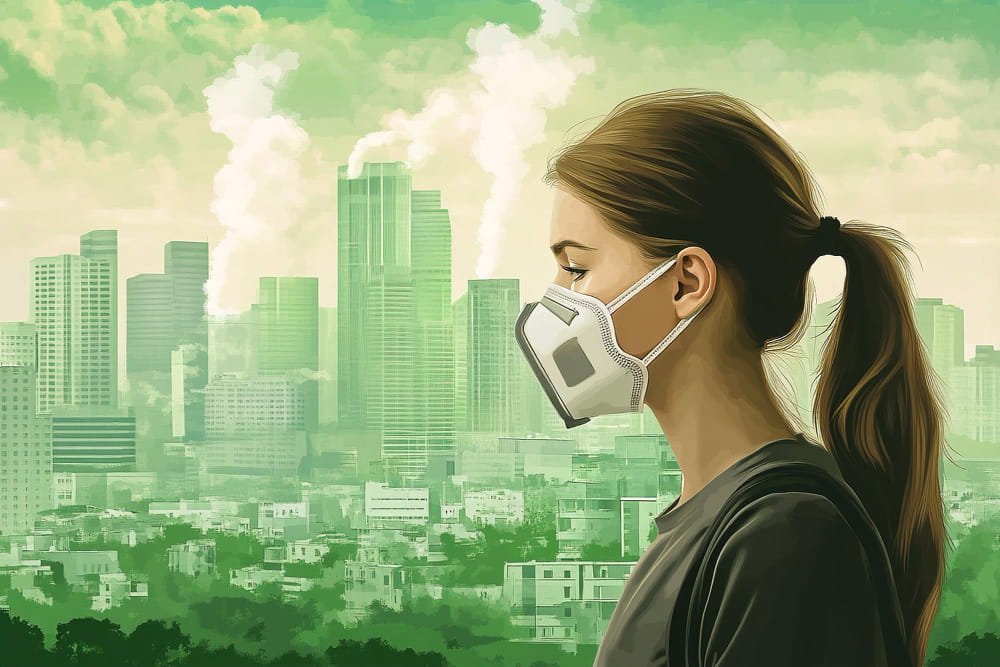
When people think about pollution, they usually imagine traffic, factories, and outdoor smoke. But in 2026, one of the biggest hidden health threats is actually inside homes and offices.
Indoor air pollution is rapidly becoming a serious concern because modern lifestyles keep people indoors for longer hours than ever before. Poor ventilation, air-conditioned spaces, dust, smoke, chemicals, and allergens are silently affecting lung health.
At RK Gastro & Chest Super Specialty Hospital, we are seeing an increase in breathing problems, allergies, asthma flare-ups, and chronic cough linked to indoor air pollution in 2026.
🌫️ What Is Indoor Air Pollution?
Indoor air pollution refers to harmful particles, gases, and contaminants trapped inside enclosed spaces such as:
- Homes
- Offices
- Schools
- Shopping malls
- Air-conditioned rooms
Unlike outdoor pollution, indoor pollutants remain trapped for longer periods, making exposure more dangerous.
⚠️ Why Indoor Air Pollution Is Increasing in 2026
🏢 1. More Time Spent Indoors
Remote work, screen-based lifestyles, and air-conditioned environments mean people spend most of their day indoors with limited fresh air circulation.
This increases continuous exposure to harmful pollutants.
❄️ 2. Poor Ventilation in Modern Buildings
Modern buildings are designed to remain closed for energy efficiency. While this saves electricity, it also traps:
- Dust
- Bacteria
- Smoke particles
- Allergens
Poor ventilation reduces oxygen circulation and worsens indoor air quality.
🧴 3. Chemicals from Household Products
Cleaning sprays, perfumes, room fresheners, paints, and mosquito repellents release chemicals into the air.
Frequent exposure may cause:
- Lung irritation
- Allergies
- Headaches
- Breathing difficulty
🌬️ 4. Dirty AC Filters and Air Ducts
Air conditioners can collect:
- Dust
- Mold
- Bacteria
- Pollutants
If not cleaned regularly, these particles circulate throughout indoor spaces.
🚬 5. Smoking and Passive Smoke Exposure
Cigarette smoke remains one of the most dangerous indoor pollutants.
Even secondhand smoke increases the risk of:
- Asthma
- Chronic cough
- Lung infections
- COPD
🫁 How Indoor Air Pollution Affects Your Lungs
Long-term exposure to indoor pollution can damage respiratory health slowly over time.
⚠️ Common health effects include:
- Persistent cough
- Wheezing
- Shortness of breath
- Chest tightness
- Eye and throat irritation
- Frequent allergies
For asthma patients, indoor pollution can trigger severe attacks.
🚨 People at Higher Risk
Some groups are more vulnerable to indoor air pollution:
- Children
- Elderly individuals
- Asthma patients
- Smokers
- People with weak immunity
These individuals may develop respiratory symptoms more quickly.
🧪 Diagnosis at RK Chest Hospital
At RK Chest Super Specialty Hospital, we evaluate pollution-related breathing problems using:
- Pulmonary Function Tests (PFT)
- Chest X-rays
- Allergy evaluation
- Oxygen level monitoring
- Advanced respiratory assessment
Early diagnosis helps prevent long-term lung damage.
🛡️ How to Protect Yourself from Indoor Air Pollution
✅ Improve Ventilation
Open windows regularly to allow fresh air circulation.
✅ Clean AC Filters Frequently
Maintain air conditioners and ventilation systems properly.
✅ Avoid Indoor Smoking
Keep homes and workplaces smoke-free.
✅ Reduce Chemical Exposure
Use mild cleaning products and avoid excessive room fresheners.
✅ Keep Indoor Spaces Dust-Free
Regular cleaning helps reduce allergens and pollutants.
✅ Use Indoor Plants or Air Purifiers
These may help improve indoor air quality.
⚠️ When Should You See a Chest Specialist?
Consult a pulmonologist if you experience:
- Continuous cough
- Frequent breathing difficulty
- Wheezing
- Chest tightness
- Allergies that worsen indoors
Ignoring symptoms can lead to chronic respiratory disease
✅ Conclusion
Indoor air pollution is becoming one of the biggest hidden health risks in 2026. Since people spend more time indoors, exposure to harmful pollutants is increasing every day.
By understanding the dangers of indoor air pollution in 2026 and taking preventive steps early, you can protect your lungs and improve your quality of life.
At RK Gastro & Chest Super Specialty Hospital, our specialists provide advanced diagnosis and treatment for pollution-related respiratory conditions to help you breathe healthier every day.