
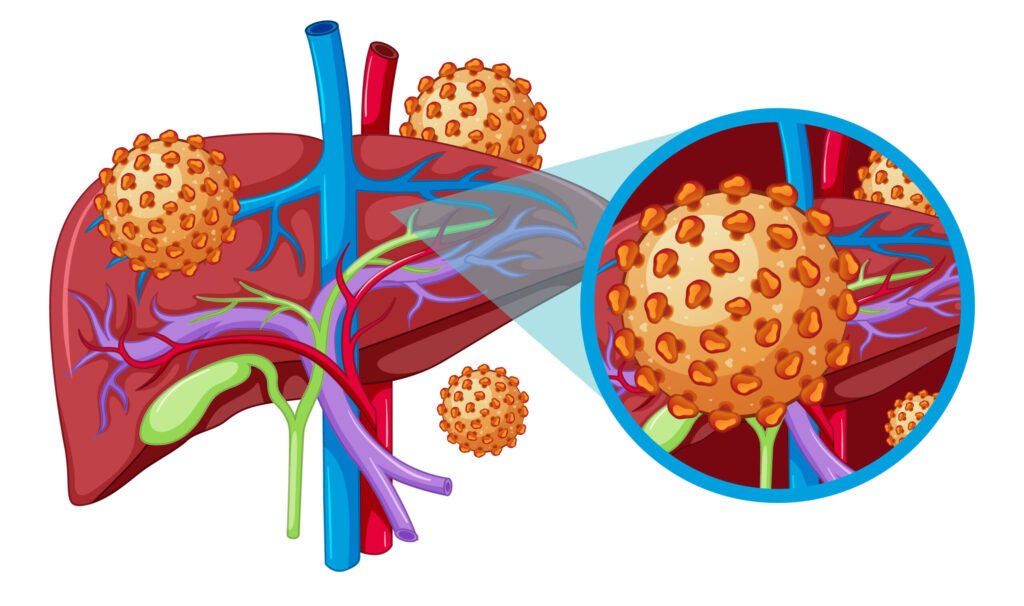
Hepatitis is a medical condition that causes inflammation of the liver and can affect overall health if not treated properly. The liver plays an important role in digestion, metabolism, and removing toxins from the body. When the liver becomes inflamed, its normal functioning may be affected, leading to various health complications. Understanding hepatitis symptoms and following proper liver care management can help support recovery and long-term liver health.
Understanding Hepatitis
Hepatitis refers to inflammation of the liver caused by infections, lifestyle factors, or certain medical conditions. Different types of hepatitis can affect the liver in various ways, ranging from mild illness to severe liver damage. Early diagnosis and proper medical care are important for preventing complications and maintaining liver function.
Common Symptoms of Hepatitis
Symptoms of hepatitis may vary depending on the severity and type of the condition. Many individuals experience fatigue, loss of appetite, nausea, abdominal discomfort, and fever. Some people may also notice yellowing of the skin and eyes, dark-colored urine, or pale stools.
In some cases, hepatitis may develop slowly without obvious symptoms in the early stages. Therefore, regular medical evaluation becomes important for early detection.
Causes and Risk Factors
Several factors can contribute to hepatitis. Viral infections are among the most common causes, while excessive alcohol consumption, unhealthy lifestyle habits, and certain medications may also damage the liver. In addition, contaminated food, poor hygiene, and exposure to infected blood can increase the risk of liver infections.
Individuals with weakened immunity or existing liver conditions may face higher risks of complications.
Importance of Early Diagnosis
Early diagnosis plays a major role in preventing serious liver damage. Medical evaluation helps identify the underlying cause of hepatitis and allows doctors to recommend suitable treatment and lifestyle modifications. Timely care improves the chances of better liver recovery and long-term health management.
Liver Care Management
Proper liver care management supports healing and helps maintain healthy liver function. Treatment may include medications, dietary guidance, and lifestyle changes depending on the cause of hepatitis. Rest, hydration, and avoiding substances that can harm the liver are also important during recovery.
Regular medical follow-ups help monitor liver health and reduce the risk of complications.
Healthy Habits for Liver Health
Maintaining healthy lifestyle habits is essential for protecting the liver. Eating a balanced diet, staying physically active, and avoiding excessive alcohol intake support overall liver wellness. In addition, maintaining hygiene and following safe food practices can help prevent infections that affect the liver.
Proper hydration and routine health check-ups also contribute to better liver care.
When to Consult a Specialist
Medical attention should be sought if symptoms such as persistent fatigue, abdominal pain, yellowing of the skin, nausea, or unexplained weakness occur. Early consultation with a gastro or liver specialist helps ensure accurate diagnosis and timely treatment.
Conclusion
Hepatitis is a serious liver condition that requires timely diagnosis and proper medical care. Recognizing symptoms early and following effective liver care management can help prevent complications and support long-term liver health. Healthy lifestyle habits and regular medical monitoring play an important role in maintaining overall digestive and liver wellness.