
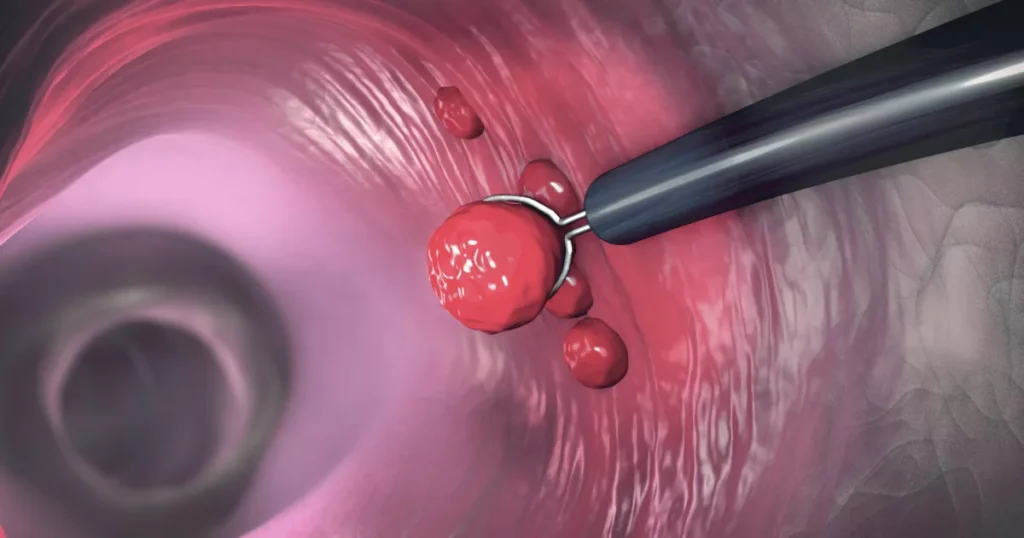
Hearing that you have a growth inside your digestive tract can be worrying. Fortunately, not every abnormal growth is dangerous. In fact, many polyps are harmless and never cause serious health problems. However, some may gradually develop into cancer if they are not detected and treated early.
Because these growths often produce no symptoms, they are frequently discovered during routine screening procedures such as a colonoscopy or endoscopy. Understanding when medical attention is necessary can help protect your long-term digestive health and reduce the risk of complications.
What Exactly Are These Growths?
Polyps are small masses of tissue that develop on the inner lining of organs. They may appear flat against the surface or grow on a thin stalk. Although they can occur in different parts of the body, they are most commonly found in the colon, rectum, and stomach.
Most of these tissue growths are non-cancerous when first discovered. Nevertheless, some varieties can slowly change over time, making regular screening extremely important.
Why Do They Develop?
Doctors do not always know the exact reason why these abnormal growths form. However, several factors are known to increase the risk.
Growing older naturally increases the likelihood of developing them. A family history of colorectal cancer or similar growths also raises the risk. In addition, smoking, obesity, physical inactivity, excessive alcohol intake, and diets low in fiber but high in processed foods may contribute to their development.
Certain inherited conditions and chronic inflammation affecting the digestive tract can further increase the chances of developing abnormal tissue growth.
Do They Always Cause Symptoms?
In many people, these growths remain completely silent for years. They are often found unexpectedly during routine health screenings.
When symptoms do appear, they depend on where the growth is located. Some individuals may notice rectal bleeding, blood in the stool, persistent constipation or diarrhea, abdominal discomfort, unexplained tiredness due to anemia, or changes in normal bowel habits.
Growths located in the stomach may occasionally cause indigestion, nausea, upper abdominal discomfort, or bleeding, although many patients experience no symptoms at all.
When Can They Become Dangerous?
Not every polyp becomes cancerous. However, certain characteristics increase the possibility of future complications.
Larger growths generally carry a greater risk than smaller ones. Multiple growths found during the same examination may also require closer follow-up. In addition, some microscopic cell changes identified after laboratory testing indicate a higher chance of developing colorectal cancer over time.
Because doctors cannot accurately determine the nature of every growth simply by looking at it, removal is often recommended whenever possible.
How Are They Identified?
Modern screening techniques make it possible to detect abnormal tissue growths before they cause serious disease.
A colonoscopy is the most effective method for examining the large intestine and identifying suspicious areas. For the stomach and upper digestive tract, an upper gastrointestinal endoscopy allows doctors to examine the lining using a flexible camera.
If any abnormal tissue is found, a biopsy or complete removal may be performed during the same procedure. The sample is then examined under a microscope to determine whether further treatment is necessary.
Treatment Options
Treatment depends on the size, location, and microscopic appearance of the growth.
Many can be safely removed during a colonoscopy or endoscopy without the need for surgery. These minimally invasive procedures not only eliminate the abnormal tissue but also help prevent future cancer development.
In rare situations where a growth is unusually large or contains cancerous cells, surgery may be recommended to remove the affected portion of the organ.
After treatment, your doctor may suggest regular follow-up examinations to monitor for new growths, particularly if you have multiple risk factors.
Can Your Risk Be Reduced?
Although there is no guaranteed way to prevent every case, healthy lifestyle choices may lower your risk.
A balanced diet rich in fruits, vegetables, whole grains, and fiber supports digestive health. Maintaining a healthy weight, staying physically active, avoiding tobacco products, and limiting alcohol intake also contribute to better gastrointestinal health.
Most importantly, attending recommended screening appointments allows doctors to detect abnormalities before they become more serious.
Who Should Consider Screening?
Routine screening becomes increasingly important with age, especially for individuals with additional risk factors.
People who have a family history of colorectal cancer, inflammatory bowel disease, inherited digestive disorders, or previous abnormal growths may need screening earlier than others.
Likewise, anyone experiencing persistent rectal bleeding, unexplained weight loss, ongoing abdominal pain, or lasting changes in bowel habits should seek prompt medical evaluation instead of waiting for symptoms to improve on their own.
Why Early Detection Makes a Difference
One of the greatest advantages of modern digestive screening is that abnormal growths can often be removed before cancer develops.
Regular colonoscopy has significantly reduced deaths from colorectal cancer because it allows doctors to identify and remove suspicious tissue during the same procedure. This makes preventive screening one of the most effective tools available for protecting digestive health.
Early diagnosis also means simpler treatment, faster recovery, and better long-term outcomes.
When Should You Visit a Gastroenterologist?
Do not ignore persistent digestive symptoms simply because they seem mild. If you experience ongoing abdominal discomfort, rectal bleeding, unexplained anemia, unexplained weight loss, changes in bowel habits, or a family history of colorectal cancer, scheduling an evaluation with a gastroenterologist is highly recommended.
The earlier a problem is identified, the easier it is to manage and treat successfully.
Conclusion
Although most polyps are harmless, some have the potential to become cancerous if they remain untreated. Fortunately, routine screening allows doctors to detect these growths early and remove them before serious complications develop.
Maintaining a healthy lifestyle, recognizing warning signs, and following your doctor’s screening recommendations are the best ways to protect your digestive health. If you have ongoing digestive symptoms or are due for a screening examination, consulting a gastroenterologist can provide reassurance and help ensure timely care.