
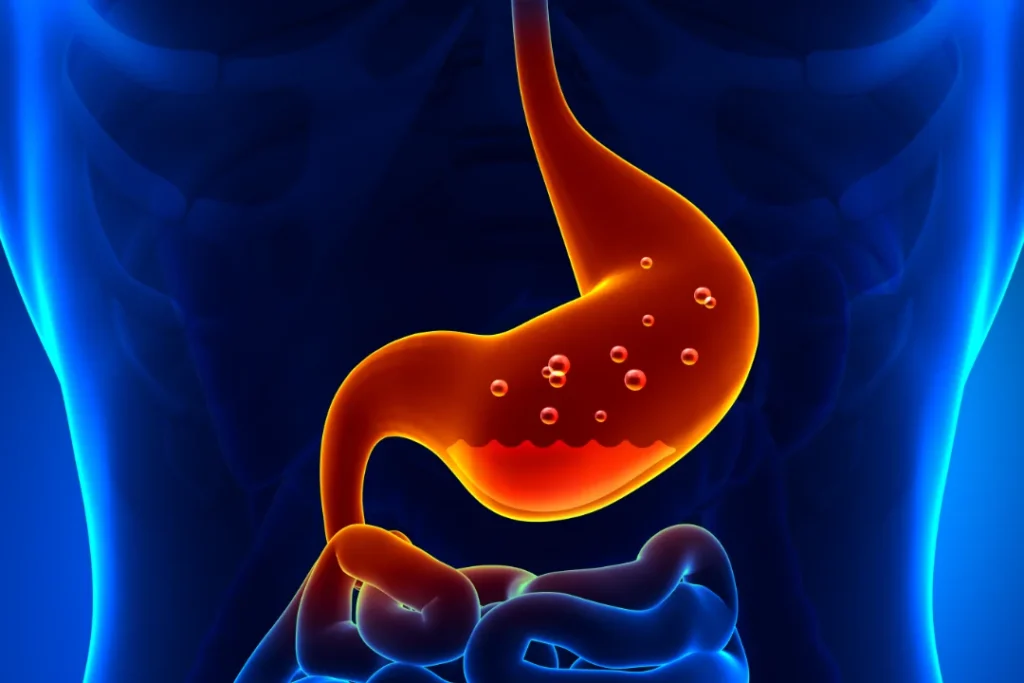
Many people experience stomach discomfort from time to time, especially after eating a large or spicy meal. However, when indigestion becomes frequent without an obvious cause, it may be due to functional dyspepsia. This common digestive disorder affects millions of people worldwide and can significantly impact daily life, even though routine medical tests often appear normal.
Unlike ulcers or other structural diseases, functional dyspepsia is a disorder of digestive function rather than damage to the stomach. Although it is not usually life-threatening, persistent symptoms should never be ignored. Early diagnosis and appropriate treatment can help relieve discomfort and improve quality of life.
What Is Functional Dyspepsia?
Functional dyspepsia is a long-term digestive condition that causes recurring pain or discomfort in the upper abdomen without any visible disease or structural abnormality. The stomach may not function as efficiently as it should, leading to symptoms that resemble indigestion.
Doctors diagnose functional dyspepsia after ruling out other conditions such as stomach ulcers, gastroesophageal reflux disease (GERD), gallstones, or stomach infections.
Although the condition is common, its exact cause is not always clear, and symptoms can vary from person to person.
What Causes Functional Dyspepsia?
Several factors may contribute to the development of functional dyspepsia. One possible cause is delayed stomach emptying, where food remains in the stomach longer than normal, creating feelings of fullness and discomfort.
Some individuals have increased sensitivity of the stomach nerves, making them more aware of normal digestive processes. Stress and anxiety can also influence the communication between the brain and the digestive system, often making symptoms worse.
In certain cases, infection with Helicobacter pylori bacteria, mild inflammation of the stomach lining, or abnormal stomach muscle movement may also play a role. Lifestyle habits such as irregular meals, smoking, excessive caffeine intake, and alcohol consumption may further aggravate symptoms.
Common Symptoms
The symptoms of functional dyspepsia often occur repeatedly and may fluctuate over time. Many people describe a feeling of fullness shortly after beginning a meal, even when they have eaten only a small amount. Others experience upper abdominal pain, burning, bloating, frequent burping, nausea, or a sensation of heaviness after eating.
These symptoms may become more noticeable after large meals, fatty foods, spicy dishes, or periods of emotional stress.
Because these symptoms overlap with several other digestive disorders, medical evaluation is important to establish the correct diagnosis.
Who Is More Likely to Develop Functional Dyspepsia?
Functional dyspepsia can affect individuals of any age, although it is more frequently diagnosed in adults. People with a history of anxiety, chronic stress, irregular eating habits, smoking, or previous stomach infections may have a higher risk.
Women also appear to develop functional dyspepsia slightly more often than men, although the condition affects both genders.
How Is Functional Dyspepsia Diagnosed?
Diagnosing functional dyspepsia begins with a detailed discussion of your symptoms, medical history, and lifestyle habits. A physical examination helps identify possible warning signs of other digestive conditions.
Depending on your symptoms and age, your doctor may recommend blood tests, stool tests, or tests for Helicobacter pylori infection. An upper gastrointestinal endoscopy may also be advised, particularly if symptoms are severe, persistent, or associated with weight loss, difficulty swallowing, vomiting, or bleeding.
If no structural abnormality is found and symptoms meet established clinical criteria, functional dyspepsia is usually diagnosed.
Treatment Options for Functional Dyspepsia
Treatment focuses on controlling symptoms and improving digestive function. The most appropriate treatment plan depends on the severity of symptoms and their underlying triggers.
Doctors may prescribe medications that reduce stomach acid, improve stomach emptying, or relax stomach muscles. If Helicobacter pylori infection is detected, antibiotic treatment may be recommended.
When stress or anxiety contributes significantly to symptoms, stress management techniques or psychological therapies may also provide relief.
Lifestyle Changes That Can Help
Simple lifestyle modifications often play a major role in managing functional dyspepsia. Eating smaller meals throughout the day instead of large portions may reduce stomach discomfort. Eating slowly and chewing food thoroughly also supports healthy digestion.
Limiting spicy foods, fried foods, excessive caffeine, alcohol, and carbonated beverages may help reduce symptoms in some individuals. Maintaining a healthy weight and avoiding lying down immediately after meals can further improve digestive comfort.
Regular physical activity, adequate sleep, and stress reduction techniques such as meditation or deep breathing exercises may also contribute to better digestive health.
Can Functional Dyspepsia Be Prevented?
Although it cannot always be prevented, healthy lifestyle habits may reduce the likelihood of symptom flare-ups. Following regular meal times, avoiding overeating, staying physically active, and managing stress effectively can all support healthy stomach function.
Individuals with recurring digestive symptoms should avoid self-medicating for long periods and instead seek professional medical advice.
When Should You See a Gastroenterologist?
Occasional indigestion is common, but persistent upper abdominal discomfort should be evaluated by a specialist. You should consult a gastroenterologist if symptoms continue for several weeks, interfere with daily activities, or occur along with unexplained weight loss, vomiting, black stools, difficulty swallowing, persistent nausea, or severe abdominal pain.
Early evaluation helps identify whether symptoms are caused by functional dyspepsia or another digestive condition requiring different treatment.
Living Well with Functional Dyspepsia
Many individuals successfully manage functional dyspepsia through a combination of medical treatment and healthy lifestyle habits. Understanding personal food triggers, following prescribed medications, managing stress, and attending regular follow-up appointments can greatly improve quality of life.
Although symptoms may occasionally return, consistent care helps most people maintain good digestive health and continue their normal daily activities.
Conclusion
Functional dyspepsia is a common digestive disorder that causes recurring upper abdominal discomfort without any visible structural disease. While the condition can be frustrating, it is manageable with accurate diagnosis, appropriate treatment, and healthy lifestyle modifications.
If you experience ongoing indigestion, early fullness, bloating, or persistent stomach discomfort, consulting an experienced gastroenterologist can help identify the cause and provide an effective treatment plan. Early intervention is the key to improving digestive comfort and maintaining long-term gastrointestinal health.